
Create an Account
Create an account for powerful AI tools, award-winning courses, and access to our vibrant community.
or
Already have an account?
Create an account for powerful AI tools, award-winning courses, and access to our vibrant community.
Already have an account?

A Journey to Healthy Living
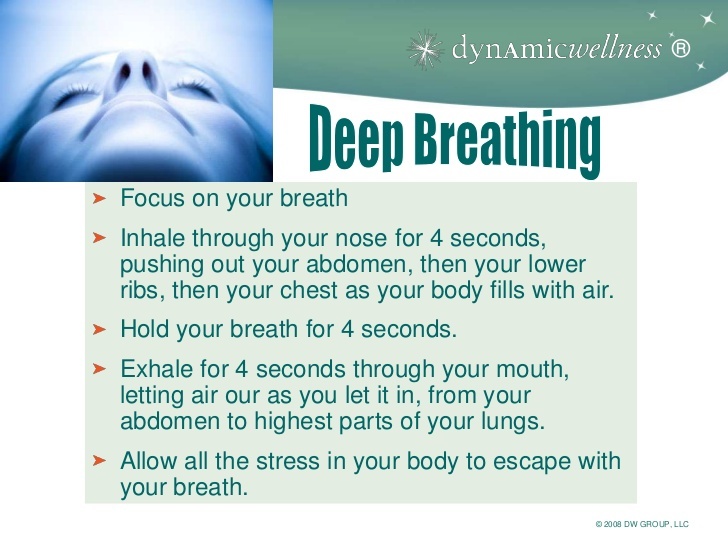
Deep breathing is a great de-stressor. It can relieve anxiety and can be done anytime, anywhere. There are two techniques that I use to relieve stress and tone the body. I will provide instructions and images for you to look at. Let's go.
Deep Breathing
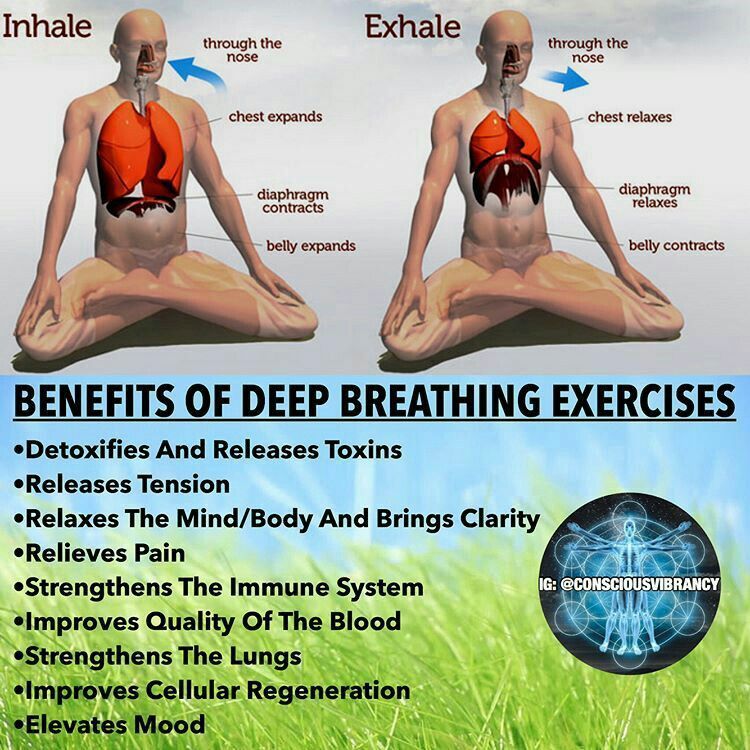
Deep breathing is also called diaphragm breathing or belly breathing. This type of breathing is done by contracting the diaphragm, a muscle located horizontally between the thoracic cavity and abdominal cavity.
When a person inhales, their diaphragm contracts and moves downward, creating space for the lungs to expand and fill with air; when a person exhales, the diaphragm relaxes and moves upward, helping to move air out of the lungs.
Instructions For Breathing
The Benefits of Diaphragm Breathing
Relieves stress: The greatest benefit of this type of breathing is achieving deep relaxation. Our lives can become stressful, and it is important to keep our nervous system in good shape.
Supplies oxygen to the body: This breathing pattern will increase oxygen to the cells, muscles, and organs. It stimulates the blood flow and enhances nourishment to the brain. Research conducted by the University of Arizona studied how diaphragm breathing affected people with fibromyalgia (a disease with a lot of pain in the joints, muscles, ligaments, etc.). The researchers found that just slowly breathing with the diaphragm decreased the pain significantly.
Improves our concentration: If you practice meditation or visualization, always start with this breathing technique – it will calm the mind and evoke a positive feeling of connection between the mind and body. It will get you much faster into an Alpha state.
breathing instructions
Downward Facing-Dog (Yoga Pose)
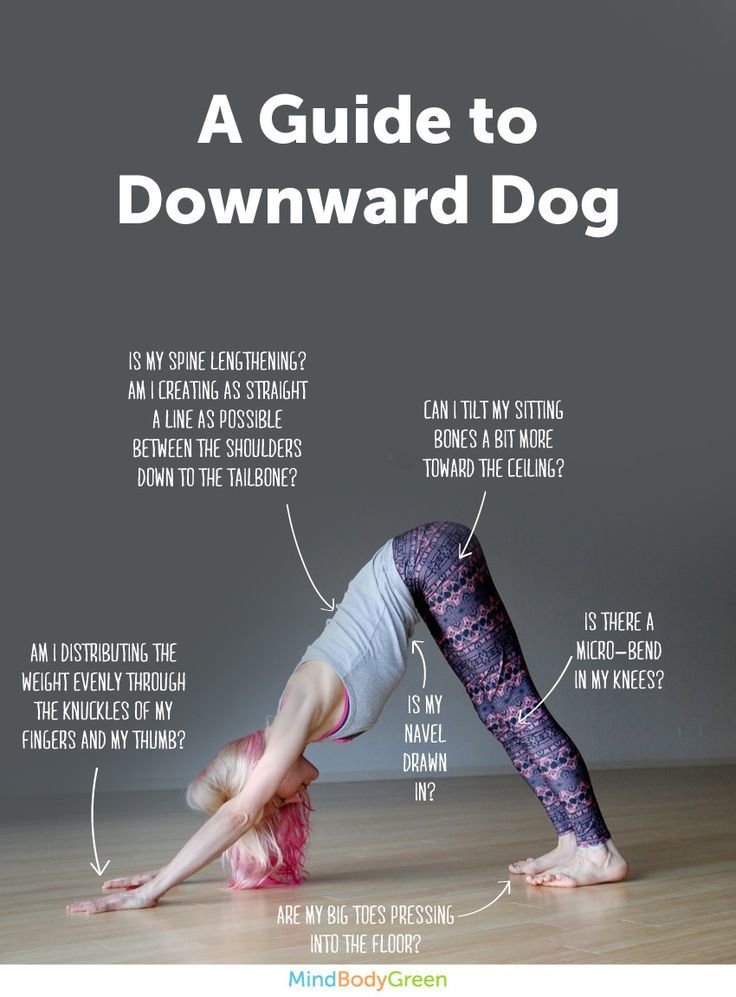
(Adho Mukha Svanasana ) Downward-Facing Dog Pose
Here are some directions on how to perform the Downward Facing-Dog Pose.

Instructions
Yoga for Beginners-30 minutes yoga class with Ashton August
https://www.youtube.com/watch?v=WwF7ooo1igE
Yoga for Complete Beginners At Home with Kassandra
https//www.youtube.com/watch?v=c2owV_1pxWE&feature=emb_title
Medical Advice Disclaimer
The information contained in this article is intended for educational purposes only and should not be substituted for medical advice from a doctor or healthcare provider.
Resources
Hollister, S (2017). The Top 100 Best Yoga Poses; Relieve Stress, Increase Flexibility, and Gain Strength. First Edition, Scotts Valley, Ca: CreateSpace Independent Publishing Platform.
Kaminoff, L; & Matthews, A. (2012). Yoga Anatomy. Second Edition, New York, N.Y. Human Kinetics.
Deep Breathing How To's
https://slideshare.net/altonbaird/deep-breathing-how-tos
Downward Facing -Dog And it's Benefits
https://i.pinimg.com/originals/ba/c7/e5/bac7e50bb2a4587c7f89a89f58e4cc61.jpg
What is Diaphragmatic Breathing
https://www.medicalnewstoday.com/articles/diaphragmatic-breathing
Want to have Yolanda Stallings's latest posts delivered to your inbox?

Share Post